


How to make the still quite vague concept of ‘knowledge valorisation’ concrete? The project CEETNOVA is taking steps to materialise the concept, which includes educating a hundred ‘ambassadors’ within ECIU partner universities. Project leader Utku Ali Riza Alpaydin explains.
Text: Rense Kuipers
Photos: CEETNOVA
What is CEETNOVA about?
‘It stands for Connecting European Innovation and Entrepreneurship Ecosystem Through Knowledge Valorisation Ambassadors. Ensuring that the knowledge we produce gets turned into sustainable products and solutions that benefit society, that is what knowledge valorisation is all about. There is however quite a gap between what is mentioned in documents and what it means in practice. What we are trying to do in this project is to materialise the concept, while also developing the competencies of people when it comes to knowledge valorisation.’
By educating so-called ambassadors, right?
‘Yes, that is one of the key points of the project. We call them ambassadors because they will be the first cohort of people who are knowledgeable on the concept. They will be the ones sharing their experience and knowledge, starting from their respective universities, to the entire ECIU consortium – and hopefully the EU level next.’
The project has been up and running for about a year. What would you say are the major milestones up until now?
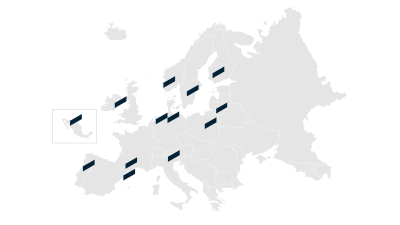
‘An important first step was conducting a survey amongst 125 stakeholders at five ECIU partner universities. We wanted to have a baseline, by measuring how knowledgeable people are on the topic and in what areas they need to improve their competencies and skills. We identified three target groups; early-career researchers, senior academics and non-academic staff. While early-career researchers tend to want to develop their communication and dissemination skills, senior academics prefer to sharpen their strategic skillset and impact policies. Over the last few months, we have developed a training programme tailored to each specific target group’s needs. We aim to launch this programme in November 2025.’