


header-2026

VALORISATION


ECIU showcases universities’ impact in Brussels


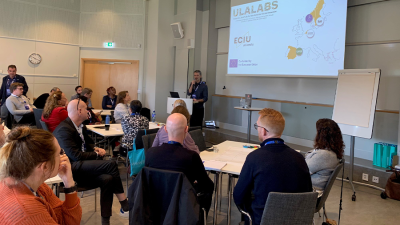
The European Consortium of Innovative Universities highlighted the vital role of universities in shaping Europe’s future during its high-level event “From Valorisation to Impact”, held in Brussels, last Spring. 


The gathering brought together more than 100 participants to discuss how research excellence can be translated into tangible societal and economic benefits.

Central to the event was the presentation of the ECIU Innovation Paper, which sets out recommendations for strengthening Europe’s innovation capacity through university-driven initiatives. Complementing this was a booklet of impact case studies, showcasing how ECIU partner institutions are delivering real-world solutions. In this article, we highlight a few.

1/5 Hamburg University of Technology

The future of

sustainable plastics


Traceless, a Hamburg-based bioeconomy start-up, is pioneering the valorisation of agricultural by-products into high-impact biomaterials. The technology was invented by Anne Lamp during her PhD research at Hamburg University of Technology (TUHH), where she explored sustainable resource use and circular economy principles. Supported by TUHH’s entrepreneurial ecosystem, she transformed her scientific work into an application-ready innovation.

Together with co-founder Johanna Baare, Lamp established Traceless in 2020 to commercialise traceless, a naturally regenerative, fossil-free plastic substitute made from grain-processing leftovers. Unlike conventional plastics or many bioplastics, traceless is free of harmful chemicals, does not generate microplastics, and is fully compostable at home and in the environment.

Its impact is substantial: a Life Cycle Assessment conducted under ISO 14040/14044 standards confirmed that traceless reduces CO₂ emissions by 91% and fossil energy use by 89% compared with traditional plastics. 

With €36.6 million in Series A funding, federal support, and a large-scale Hamburg plant under construction, Traceless is scaling up to deliver thousands of tonnes annually—driving systemic change towards a circular and sustainable materials economy.


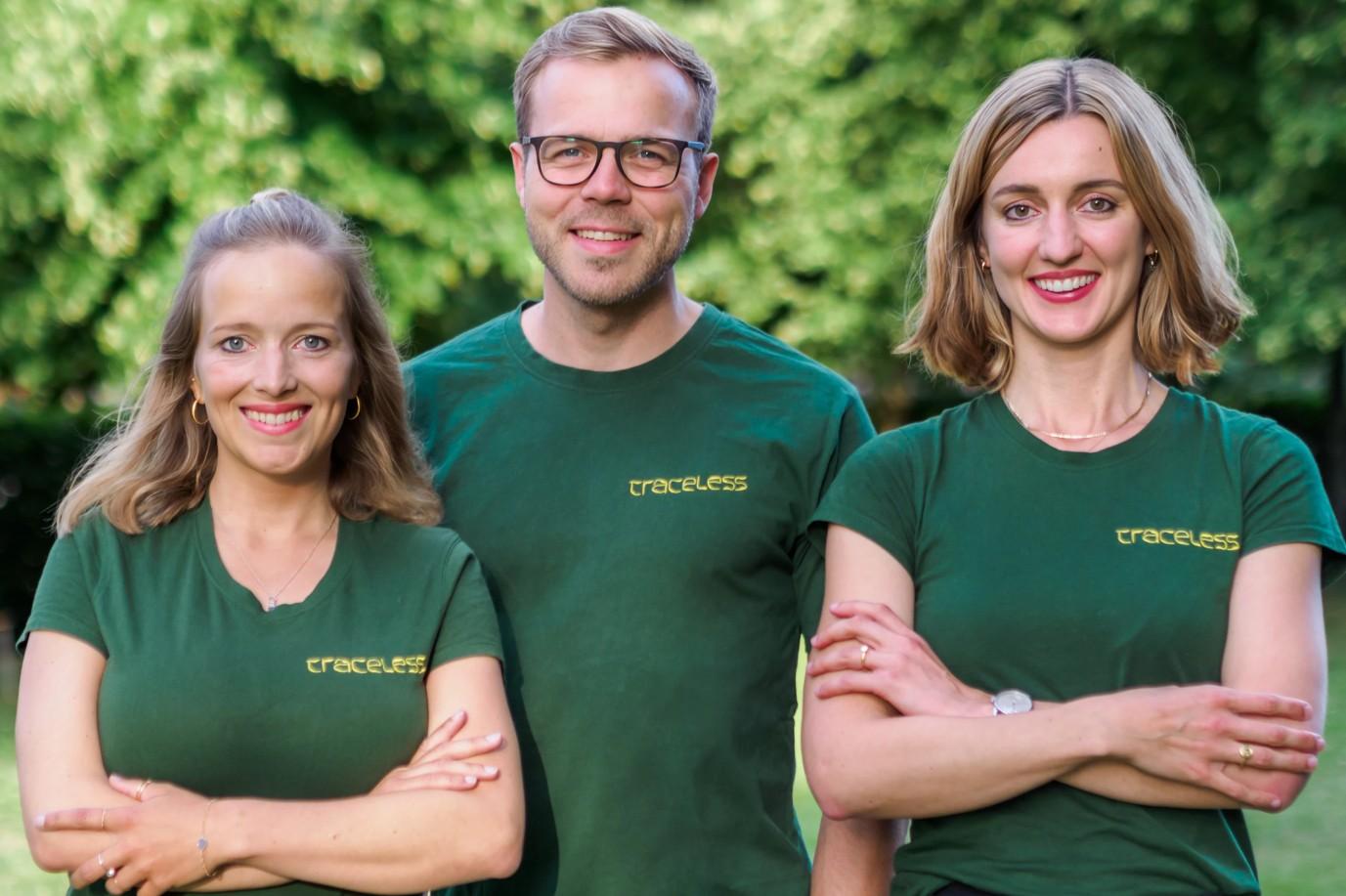
The Traceless management team. From left to right: Anne Lamp, Jakob Röskamp & Sina Spingler.

2/5 Institut National Des Sciences Appliquées

Climate and energy
transition challenge


Organised at INSA Rouen Normandie under the leadership of Professor Bruno Renou, the climate and energy transition challenge focused on strengthening metropolitan strategies through systemic, cross-sectoral approaches. Grounded in the Plan Climat Air Énergie Territorial (PCAET), the initiative highlighted the shortcomings of compartmentalised policies in housing, transport, and economy, instead promoting integrated methodologies relevant not only to Rouen but also adaptable to other European cities.

The challenge fostered collaboration between academia and local authorities, engaging stakeholders such as Rouen’s urban planning agency, a Negawatt specialist, and municipal representatives. These exchanges deepened institutional ties with the Rouen Normandy Metropolitan area and sparked discussions on long-term partnerships and shared research projects.

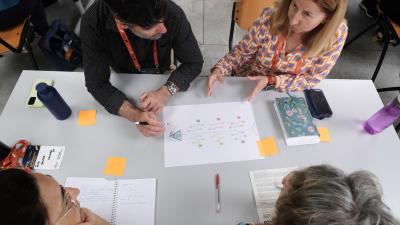
Educationally, the challenge united 23 students from eight ECIU member universities, spanning undergraduate to doctoral levels. Their cultural and disciplinary diversity encouraged rich dialogue, empathy, and global thinking, leading to innovative, practical strategies for reducing energy use and expanding renewable energy adoption. Participants emphasised the interpersonal and systemic problem-solving skills gained.

Outcomes were shared across multiple platforms, including presentations to INSA Strasbourg, the French Ministry of Higher Education, and wider public channels. The project also developed a transferable framework for metropolitan transition planning, laying the foundation for future collaborations and student-driven innovation in sustainability.


climate_and_energy_transition_challenge

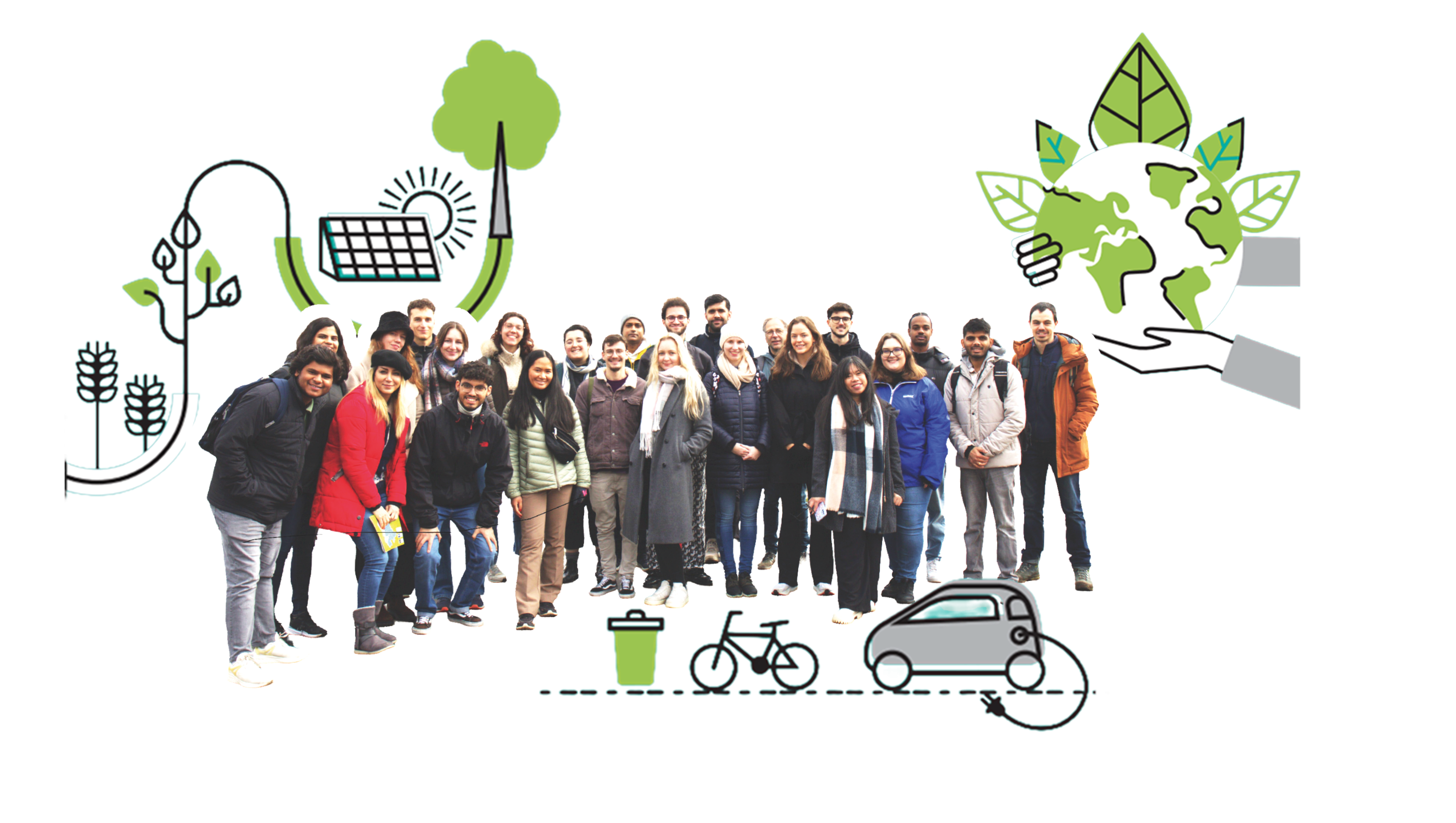
Participants of the Climate & Energy  Transition Challenge

3/5 Lodz University of Technology

Medical

implant technology


The collaboration between the Institute of Materials Science and Engineering at Lodz University of Technology and Medgal Ltd has resulted in a breakthrough innovation in medical implant technology with profound societal and economic impact. 

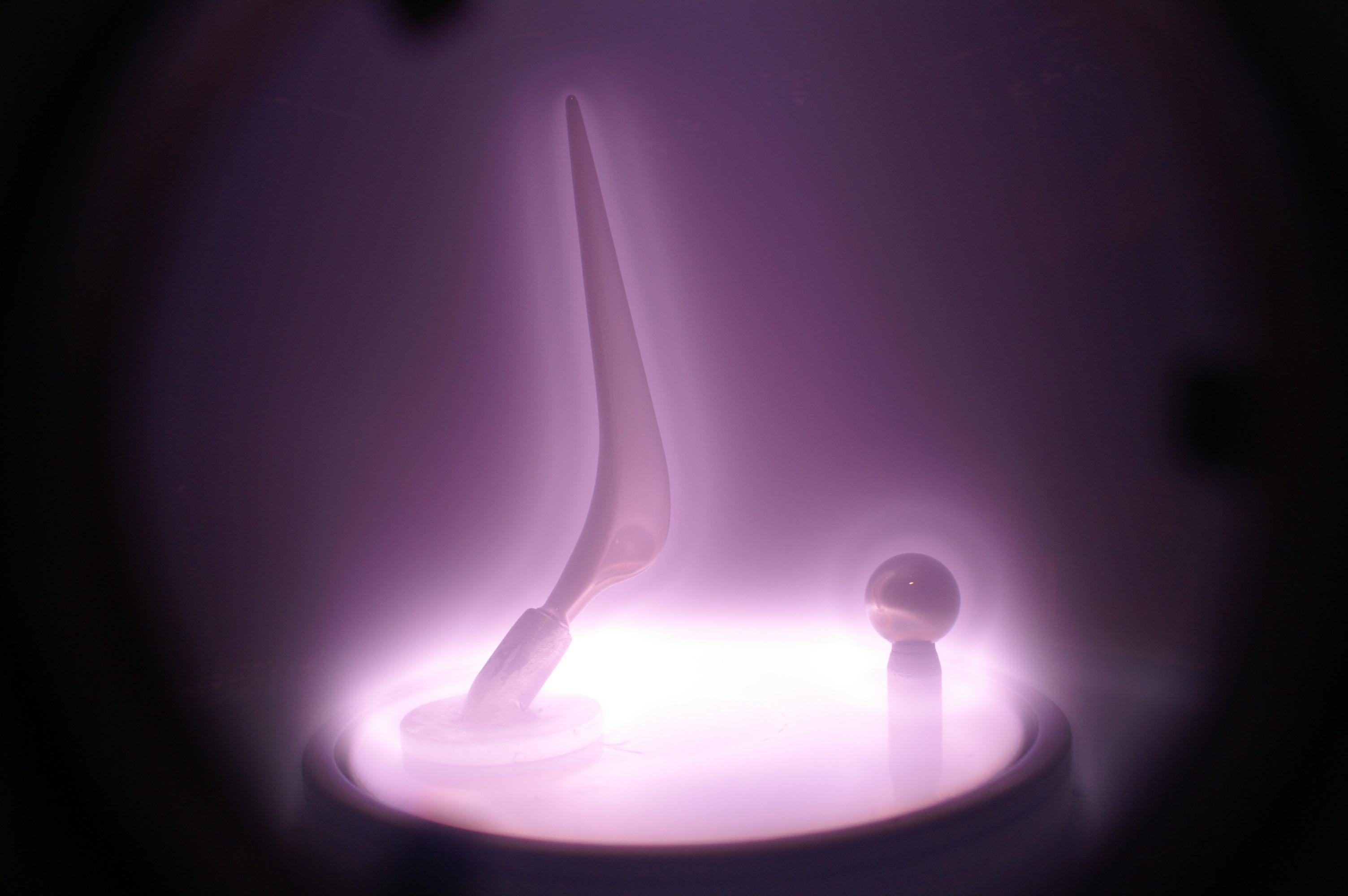
The patented technology for modifying orthopedic implants with Silicon-Doped Carbon Layers (Si-DLC) offers a unique combination of superior biocompatibility, durability, and safety. Silicon-doped (Si-DLC) means that silicon atoms are added into the DLC layer to improve its properties. By preventing the penetration of toxic elements from metallic implants into surrounding tissues, these coatings significantly reduce allergic reactions and post-implantation complications, improving patient outcomes and quality of life. This is particularly relevant given the global rise in orthopedic, neurosurgical, and dental procedures driven by aging populations, lifestyle factors, and trauma.

Since its industrial implementation and certification in 2019, Medgal has introduced hundreds of thousands of Si-DLC modified implants—including screws, nails, and hip endoprostheses—into the global market. These products accelerate healing, expand treatment options for patients with metal allergies, and contribute to safer, more effective surgical interventions. The technology represents the only industrially applied solution of its kind worldwide, positioning Poland at the forefront of biomaterials innovation. Beyond healthcare, the innovation strengthens the competitiveness of Medgal, now exporting to around forty countries, while fostering academic progress, patents, and further research collaborations in advanced biomaterials.

Medical_Implant_Technology

4/5 Tampere University

ToBe:

integrated policies and
transformative indicators 

The Horizon Europe project ToBe (Towards a Sustainable Wellbeing Economy: Integrated Policies and Transformative Indicators), led by Tampere University has played a leading role in shaping EU-level policy debates on sustainable and inclusive wellbeing. 

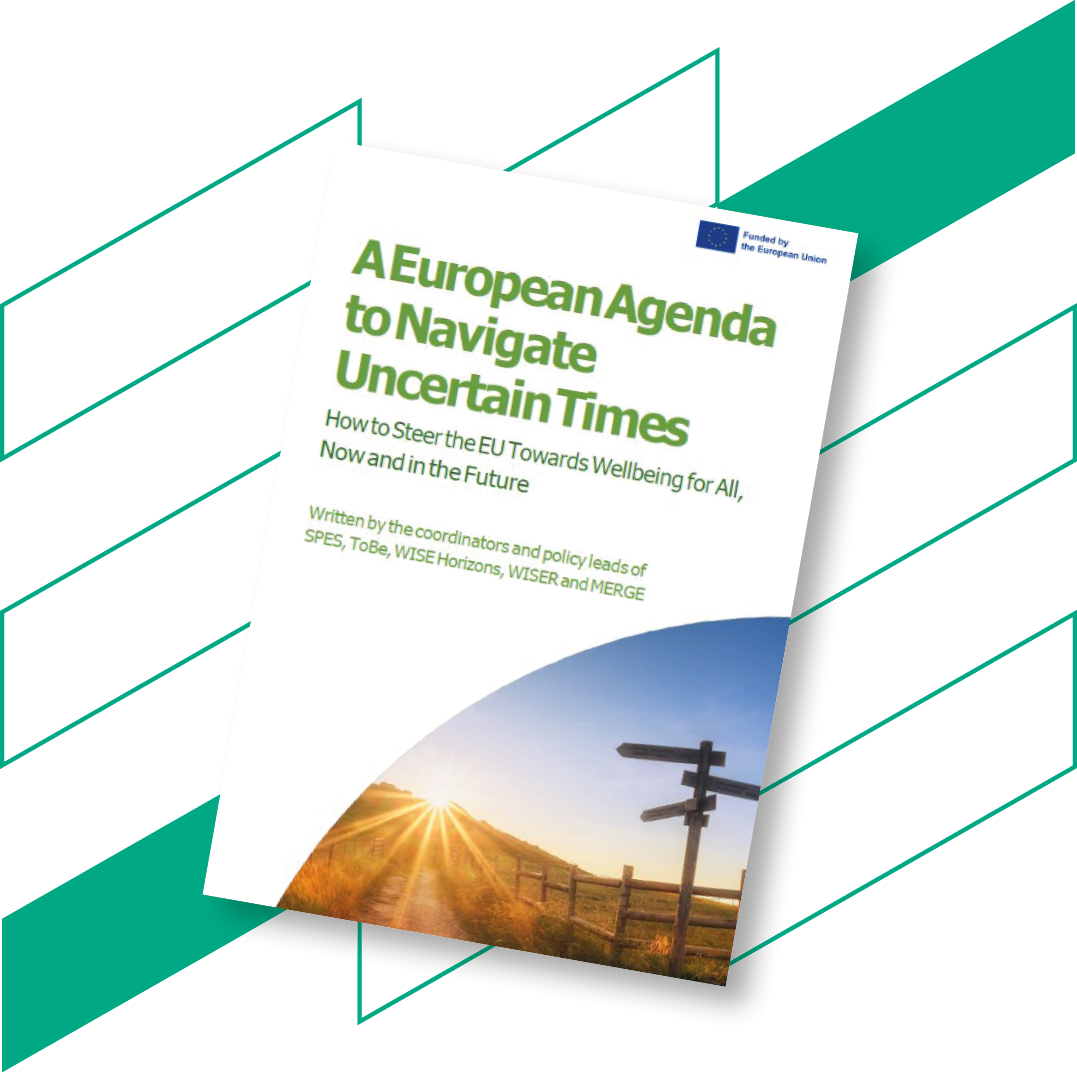
Together with four sister projects, ToBe co-authored a policy advocacy paper requested by the European Commission, which outlines a policy agenda for a more secure, equitable, and future-oriented Europe. The paper’s impact lies in translating research insights into actionable proposals, reviewed by senior policymakers across multiple Directorates-General to maximise influence.

The agenda highlights three transformative priorities: (1) strengthening a science-based policy toolkit with robust “beyond GDP” metrics and models; (2) reforming the European Semester process to align economic and social governance with wellbeing goals; and (3) advancing policies for societal transformations, including citizen-driven governance, sustainable finance, and transformative research and innovation. These recommendations span 13 policy domains with concrete measures.

The co-operation among the projects has also led to a new joint project, a coordination and support action called MERGE which brings together the outputs of the sister projects in terms of indicators and policy frameworks.

ToBe has amplified its visibility and reach, creating a unified research voice and a platform for long-term societal impact. Dissemination through open science (Zenodo), presentations at high-level events (e.g., OECD World Forum), and strong engagement with EU institutions underscore the valorisation of research into tangible policy influence.


tobe_integrated_policies_and_tranformative_indicators

5/5 University of Twente

From plastic waste
to construction bricks

The University of Twente’s Humanitarian Engineering department has expanded its Edubox concept—an adaptable, container-based learning lab—into two new applications: the Agribox and the Manufacturing Box.

The Edubox, currently deployed in Jordan, equips Syrian refugees with practical skills in areas such as digital marketing, waste management, and climate change. Its success highlights the potential of containerised labs as scalable educational infrastructure in crisis-affected regions.

The Agribox extends this model to agriculture, providing farmers with training in vertical farming, soil testing, and irrigation. Early evaluations stress its potential to enhance food security and resilience by combining technical know-how with community-driven ownership. Partnerships with local associations, such as EcoYouth Jordan, are key to adapting the Agribox to specific farming practices and resource constraints, paving the way for sustainable market introduction.

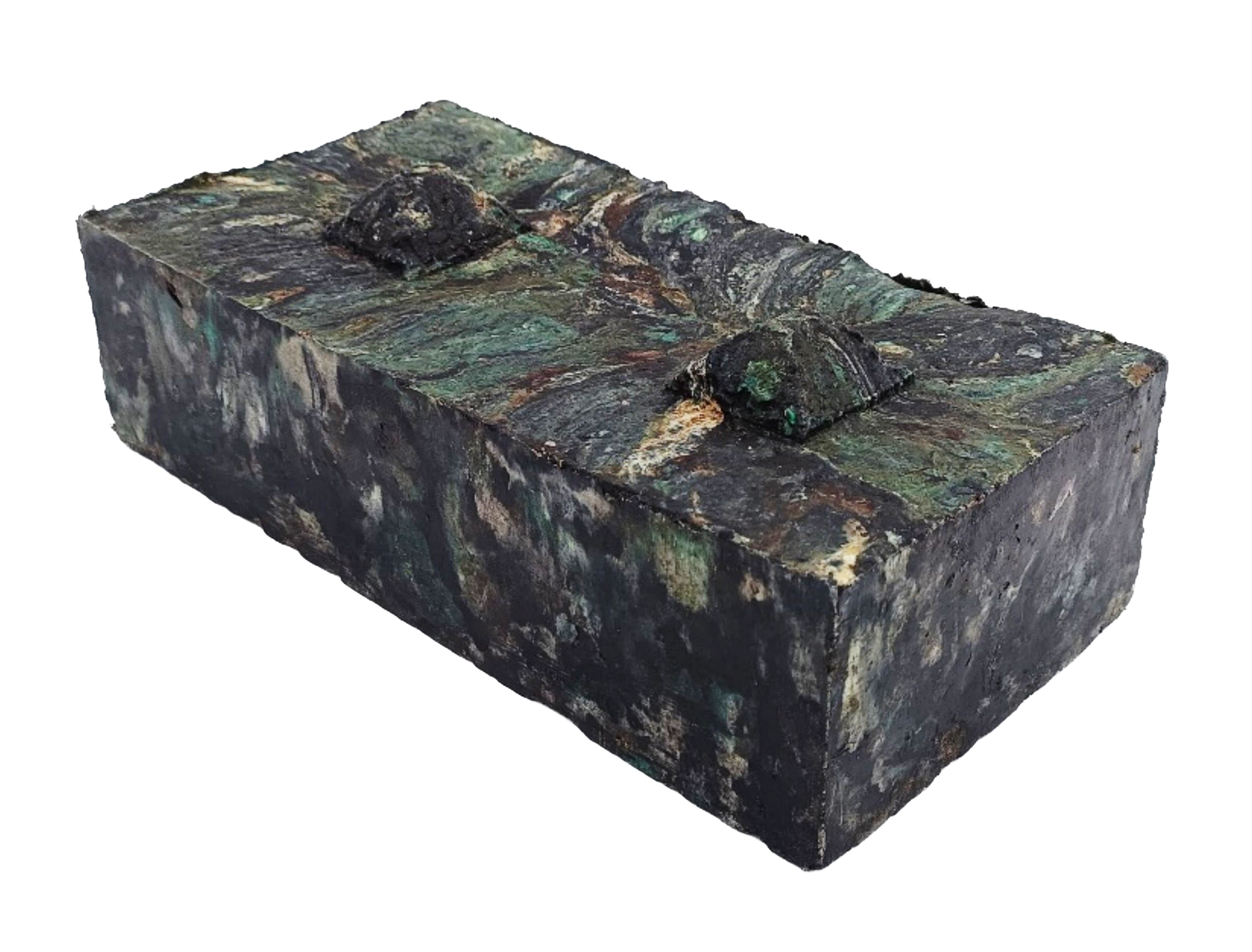
The Manufacturing Box, still under development, transforms plastic waste into construction bricks for essential infrastructure. This project is carried out in collaboration with Engineering Without Borders NL in Ghana, where initial tests on brick construction for school restrooms have shown potential. Its anticipated benefits include improved sanitation facilities, job creation, and environmental gains through recycling.


ut_twente_agribox_brick

Footer 26 rood