


What organisational and cultural changes are required within universities to move from valorisation as a side activity to an integrated, systematic driver of societal impact?
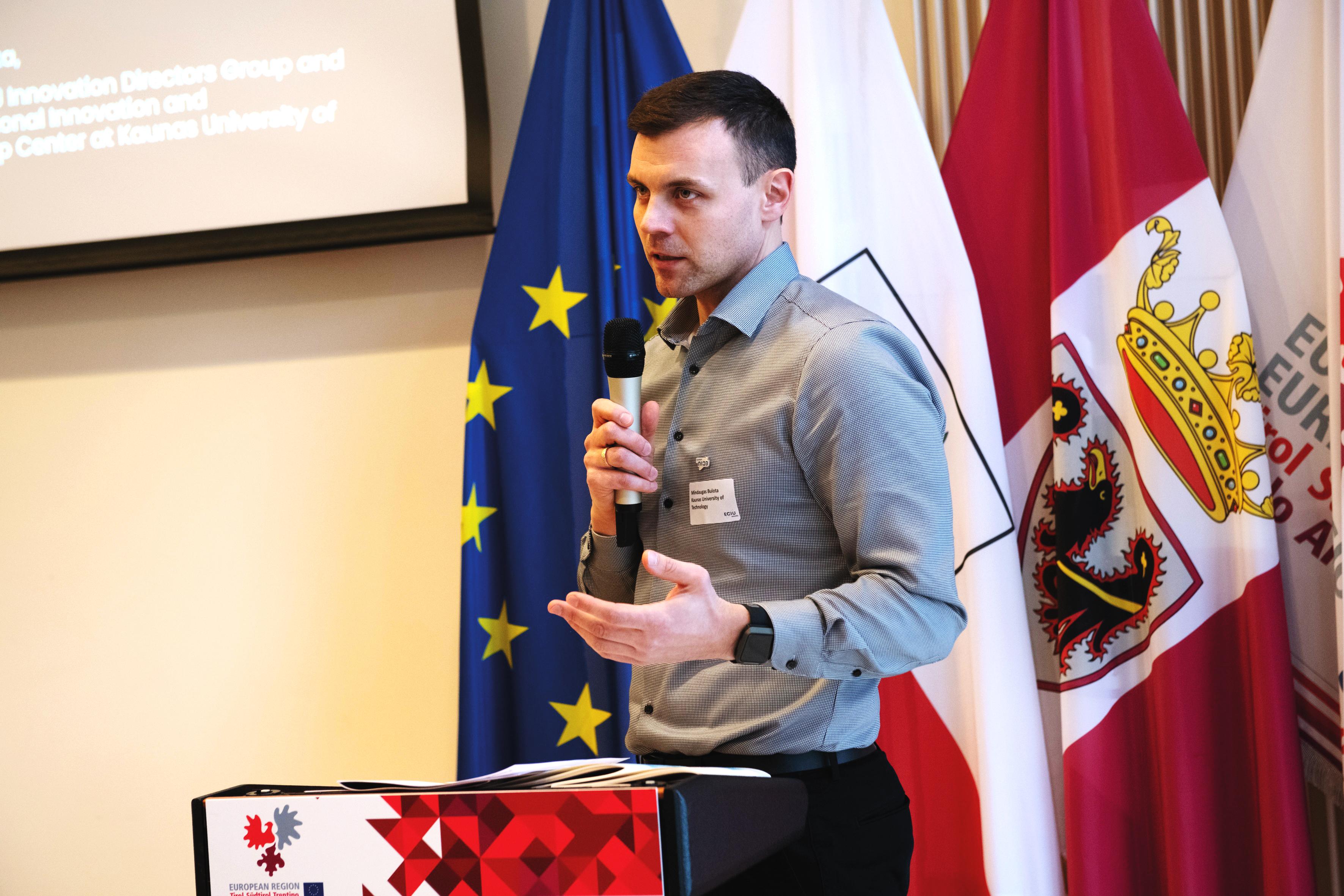
‘At ECIU member universities, we have taken steps to integrate entrepreneurship into the curriculum and foster stronger industry-academia partnerships through initiatives such as dual appointments. We have seen that Technology Transfer Offices (TTO) can play a key role in bridging research and industry. TTO professionals can act as trusted intermediaries to connect commercial and non-commercial entities to apply research findings. Another proposed intervention is to establish Industry-Academia Sabbaticals, allowing researchers to immerse themselves in industry environments. Furthermore, creating innovation residencies where researchers collaborate with start-ups or tech incubators can facilitate the application of research to real-world products.’
And how does that apply at a later stage, when discussing start-ups and scale-ups?
‘In the context of the start-up and scale-up strategy, the European Commission called for more adequate rewards for multi-track careers. The Coalition for Advancing Research Assessment (CoARA) is a key initiative that a university should sign up to, aimed at changing current research assessment methods in Europe by including the broader impact of research on society and academic entrepreneurial activities as assessment criteria. This would award time spent in industry, start-ups, or tech incubators.’
How do we engage societal stakeholders in co-designing valorisation pathways?
‘For the commercialisation of research results, a partnership with the local ecosystem is key. University Science Parks, for example, can help to ensure the readiness and acceptance of the innovative idea. Science Parks can act as platforms to foster these relationships, facilitating interaction between researchers, businesses, and community stakeholders to co-create innovation pathways that address societal needs. Stakeholders such as entrepreneur or industry professionals can establish close links with university research groups, for example, through structured mentoring programmes. They can to help researchers identify pathways to valorise research results and commercial opportunities. Overall, a collaborative mindset is essential for creating more impactful and relevant research outcomes.’